
Facials Before a Photoshoot: Tips From an Esthetician
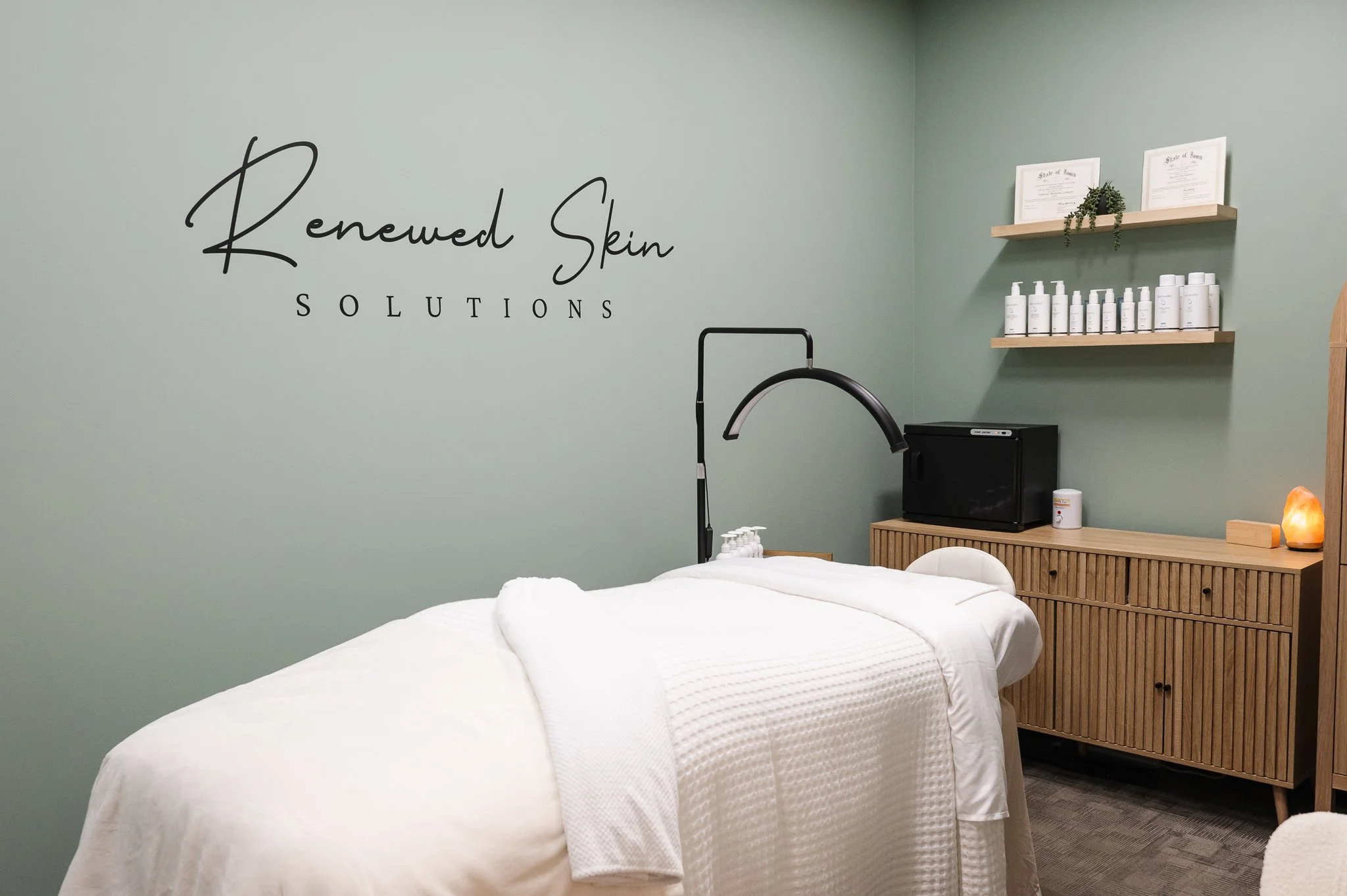
When preparing for a brand photoshoot or headshots, you likely spend time planning your outfits, location and overall vibe—and skin prep deserves attention, too. I recently met up with Vanessa Lamont, local esthetician and owner of Renewed Skin Solutions, to talk about what actually helps when prepping your skin for a photoshoot—and what to avoid.
I can also personally vouch for her work. Vanessa gave me a Signature Custom Facial recently and my winter skin absolutely loved it. Ten days later I’m still hydrated, glowing and reminding myself I need to do this more often.
Below, Vanessa shares her professional guidance on timing, treatments, realistic expectations and common mistakes—all in her own words.

Why Facials Matter for Photos
What are the benefits of getting a facial before a photoshoot? Does it actually make a noticeable difference in professional photos?
Yes, getting a facial before a photoshoot can make a noticeable difference when done at the right time. Facials help smooth the skin’s texture by exfoliating dead cells, leaving a polished canvas for makeup. They also boost hydration, making skin look plump and healthy, while reducing dullness to create a natural, camera-ready glow. Many treatments can even minimize puffiness, giving a refreshed, well-rested appearance.
Can a facial help improve things that tend to show up on camera, like redness, dryness, uneven texture or oiliness?
Facials can help improve several common concerns that tend to show up more prominently on camera. Calming treatments can reduce mild redness, while hydrating facials are especially effective for dryness and flakiness, which are often exaggerated in professional photos. Gentle exfoliation can temporarily smooth uneven texture, and balancing treatments may help control excess oil. While these improvements are not permanent, they can make a visible difference when timed correctly before a shoot.
What kind of results should someone realistically expect from a facial going into a photoshoot?
A facial can noticeably improve hydration, brightness, and overall skin texture, helping the skin look healthier and more polished on camera. It can also make makeup application smoother and more even. However, it’s important to have realistic expectations. A single facial will not eliminate wrinkles, erase acne, or dramatically change the skin. Instead, it enhances the skin’s natural appearance, creating a refreshed and well-cared-for look rather than a dramatic transformation.
Timing Is Everything
How far in advance of a photoshoot would you recommend scheduling a facial for best results?
For most people, the ideal time to schedule a facial is about five to seven days before a photoshoot. This allows the skin to fully absorb the benefits of hydration, exfoliation, and circulation while giving any temporary redness or sensitivity time to subside.
Individuals with more sensitive or reactive skin such as those with rosacea, active acne, chronic inflammation, or compromised skin barriers do require a more gradual and consistent approach. These clients tend to see the best results by starting monthly facials three to six months in advance, allowing time to strengthen the skin, reduce inflammation, and improve overall balance.
When skin health is built over time, the skin is calmer, more predictable, and photographs beautifully without the risk of unexpected reactions close to shoot day.
Choosing the Right Treatment
Are there specific types of facials you recommend before a photoshoot?
At my practice, I often recommend the Oxygen Glow Facial as an ideal treatment before an important event. This facial is designed to oxygenate the skin from within, helping to improve circulation and boost cellular activity without causing irritation or downtime.
One of the biggest benefits of the treatment is its ability to reduce redness and inflammation while delivering an immediate, healthy glow. It also helps brighten dull skin, smooth uneven texture, and balance oil production, which allows makeup to apply more evenly and last longer. Because the treatment is gentle yet effective, it’s safe for most skin types and can be performed relatively close to shoot day, leaving the skin calm, refreshed, and visibly luminous.
Are there any treatments you suggest avoiding too close to shoot day?
Before a photoshoot, I would avoid chemical peels, microneedling, microdermabrasion or any other form of aggressive treatment. These procedures can leave the skin red, sensitive or peeling, which may be difficult to conceal on camera. Treatments like these are best scheduled 4–6 weeks in advance to allow the skin adequate time to fully heal and rebalance.
How to Prep (and Not Panic)
How should someone prep their skin in the days leading up to a facial?
In the days leading up to a facial, it’s important to avoid anything that could overstimulate or sensitize the skin. Retinoids and exfoliating acids should be paused at least three to five days beforehand. Facial waxing, threading, or other forms of hair removal should also be avoided close to the appointment. Additionally, Botox or other injectable treatments should be scheduled at least 14 days before a facial, allowing adequate time for the product to settle and reducing the risk of irritation or unintended movement.
If someone is worried about their skin reacting to a facial, what precautions should they take—or should they skip it altogether?
If someone is concerned about how their skin might react to a facial, caution is always the safest approach. Sticking with an esthetician who already knows your skin and requesting a gentle, calming or hydrating treatment can significantly reduce risk.
It’s important to avoid trying new products, strong exfoliants, or aggressive extractions before an important shoot. For those who have never had a facial before or know their skin is unpredictable, skipping professional treatments and focusing on consistent, gentle at-home skincare is often the best option.
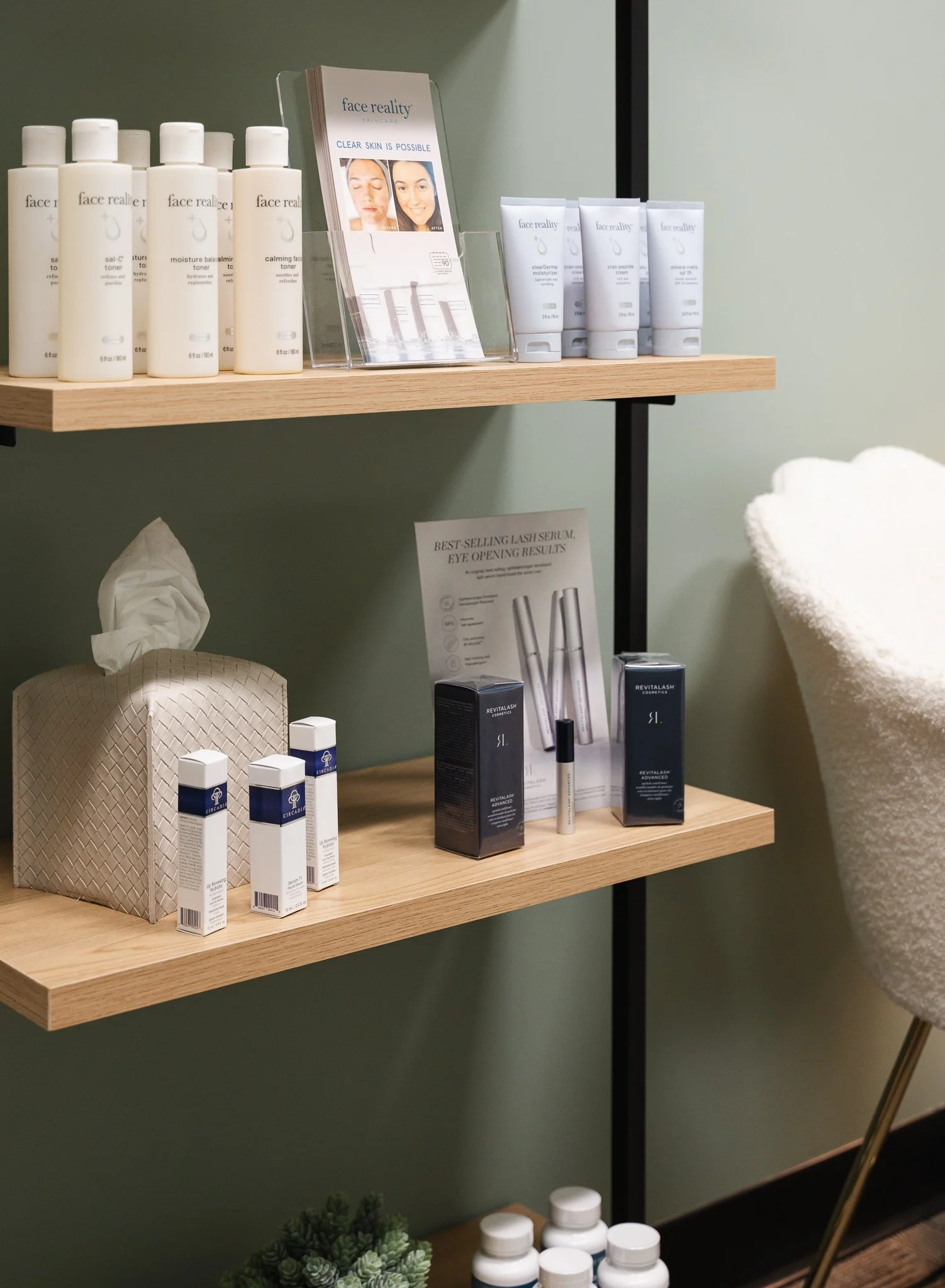
For clients who choose not to get a facial, what are some skincare steps they can do at home?
Clients who choose not to get a facial can still achieve great results with thoughtful at-home skincare. In the one to two weeks leading up to a photoshoot, focusing on gentle cleansing, daily moisturizing, and proper hydration helps improve skin texture and tone. Light exfoliation once a few days before the shoot can help smooth dry patches, while hydrating masks can boost glow without irritation. The night before the shoot, it’s best to keep skincare minimal and familiar, avoiding any new or active products that could trigger a reaction.
Aftercare + Common Mistakes
After a facial, what is the best way to maintain the results before the photoshoot?
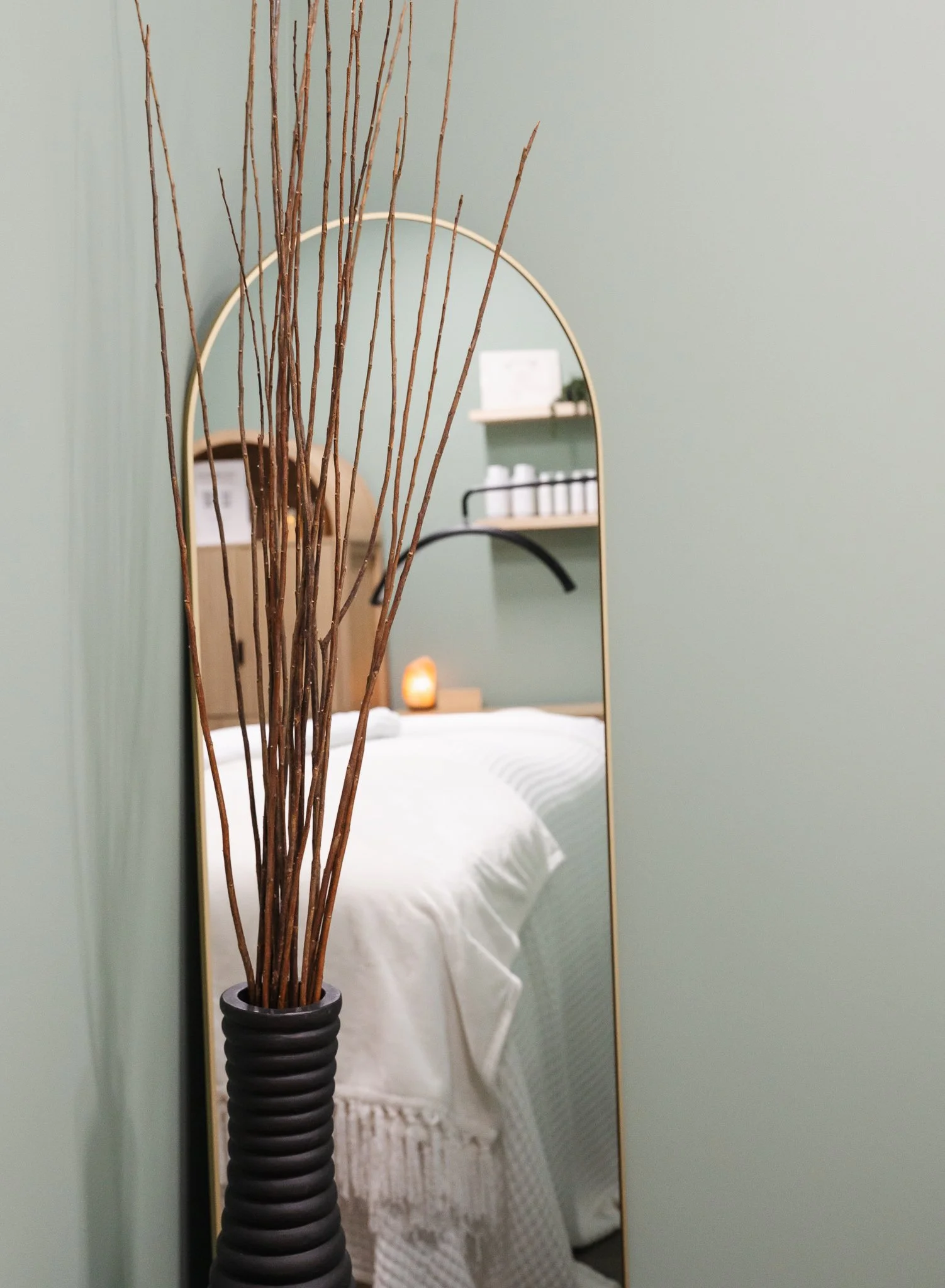
After a facial, maintaining the results is all about simplicity. Gentle cleansing, consistent moisturizing, and avoiding exfoliation or active ingredients help preserve the skin’s calm, hydrated state.
From your professional experience, what’s the biggest skincare mistake you see people make before an important photoshoot or event?
The most common skincare mistake before a photoshoot is trying to fix everything at the last minute. This often leads to over-exfoliation, experimenting with new products or scheduling aggressive treatments too close to a photoshoot. While the intention is to improve the skin, these last-minute changes frequently result in irritation, breakouts, or texture issues that show up clearly on camera.
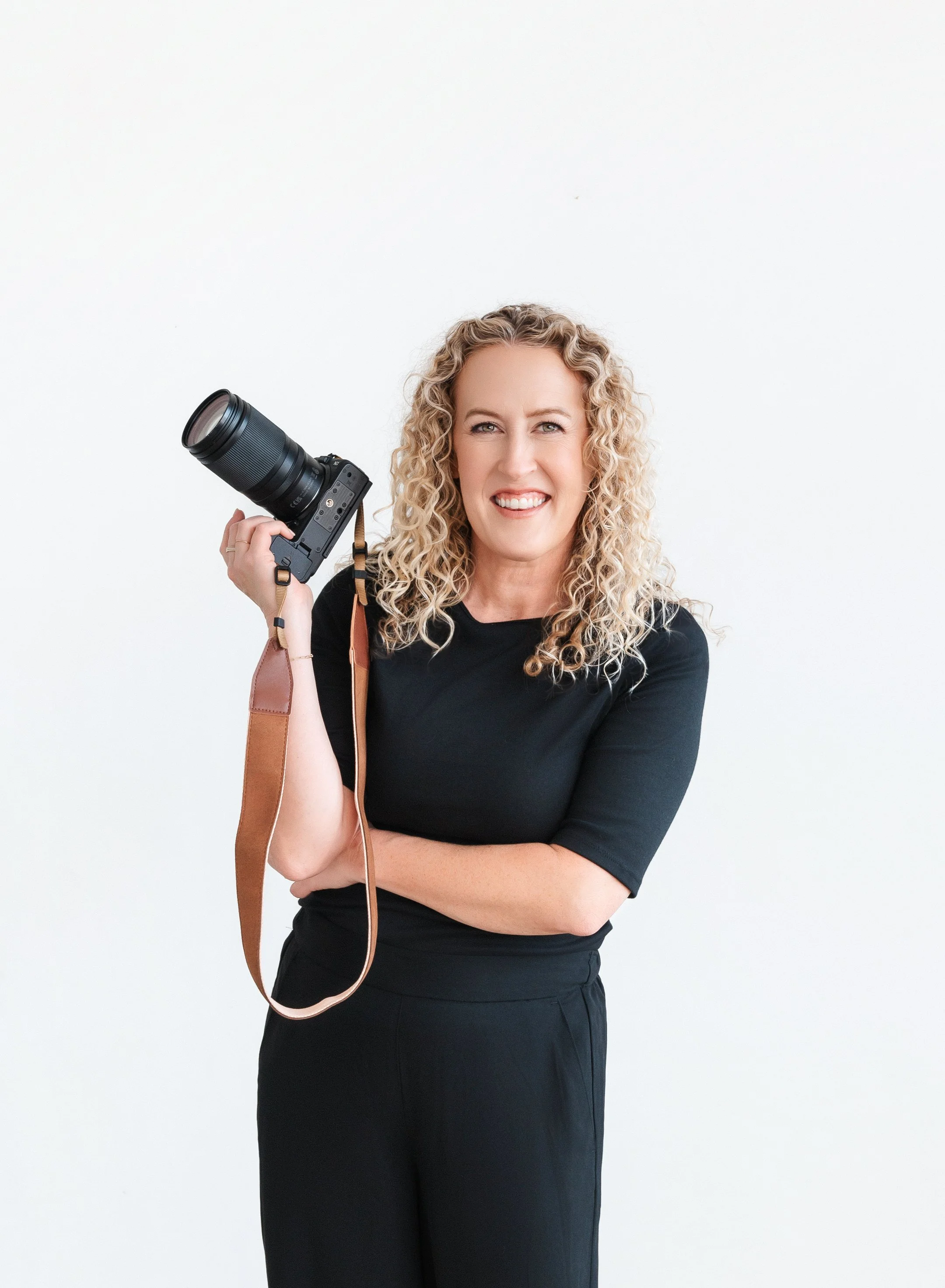
A Note From Your Photographer (Me!)
Even with the best skincare routine and thoughtful prep, unplanned blemishes can still pop up—often at the most inconvenient time. If that happens right before your photoshoot, take a deep breath. Temporary blemishes can be retouched during the editing process.
That said, consistent skincare and routine visits with a trusted esthetician are the best way to keep your skin confidence high—not just in photos, but in real life too. When you feel good in your skin, it shows on camera.
About Vanessa

Vanessa is a certified esthetician and Face Reality Acne Expert and the owner of Renewed Skin Solutions, based in Waukee, Iowa, serving clients throughout the Des Moines metro area. With a passion for helping clients achieve healthy, balanced skin through thoughtful, customized care, her journey has taken her from California to Colorado and eventually to Iowa, where she and her husband are raising their two daughters.
Before entering the world of esthetics, Vanessa spent over a decade in Human Resources, navigating high-pressure environments that ultimately took a toll on her own skin. That personal experience sparked her interest in the connection between stress, lifestyle, and skin health—and led her to build a practice rooted in education, intention, and long-term results.
When she’s not in the treatment room, Vanessa loves to travel, dance, explore the outdoors, and live life with curiosity and intention.
Are you ready to show up confidently in photos for your business or personal brand?
